
Our Story
Who
We Are
ADC is the largest Arab American grassroots organization in the U.S. We defend civil and human rights, fight discrimination, promote understanding of Arab history and culture, and partner across communities to advance social justice.
Join Us
Take Action
ADC Legal

Contact ADC Legal
Seen or experienced hate?. Report incidents safely and confidentially.

Know your rights
Our dedicated legal team is here to guide, support, and stand by you.
Get Involved

Report Discrimination
Get Legal Assistance
If you have experienced discrimination or need legal support, we are here to help. Contact Us Directly
- Phone:
(202) 244-2990
- Email:
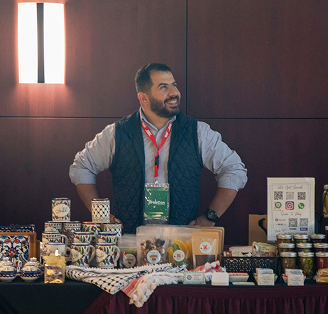
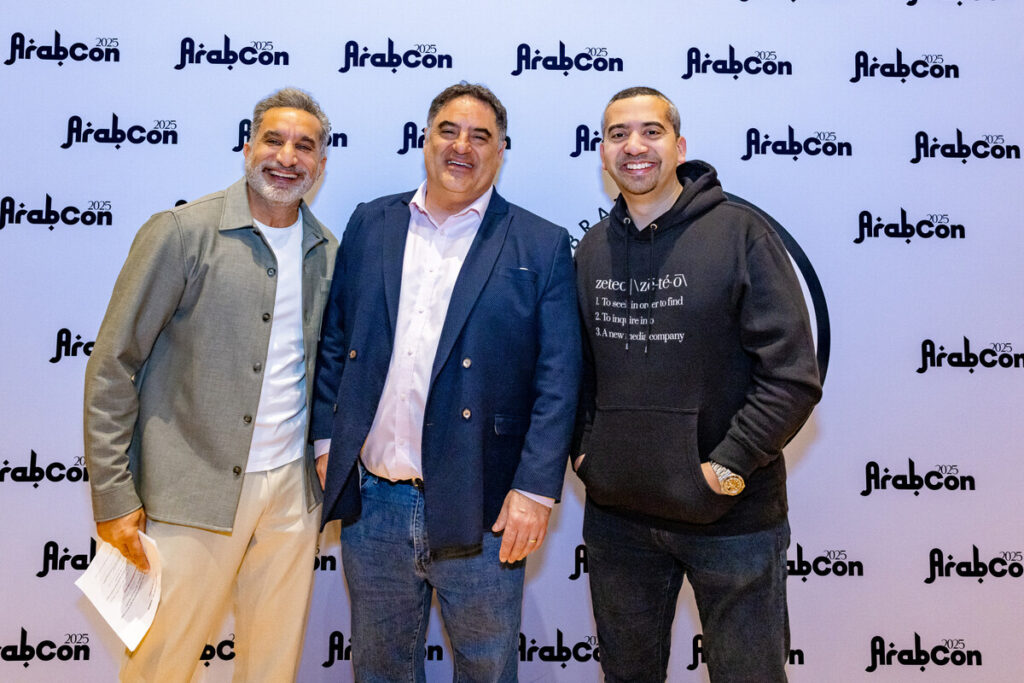
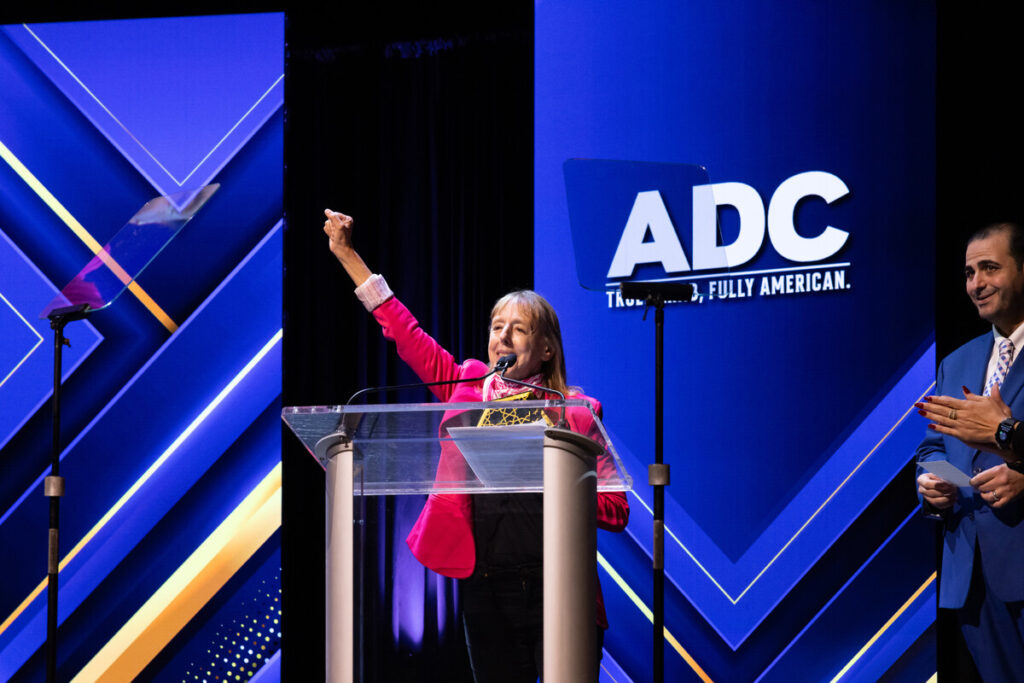
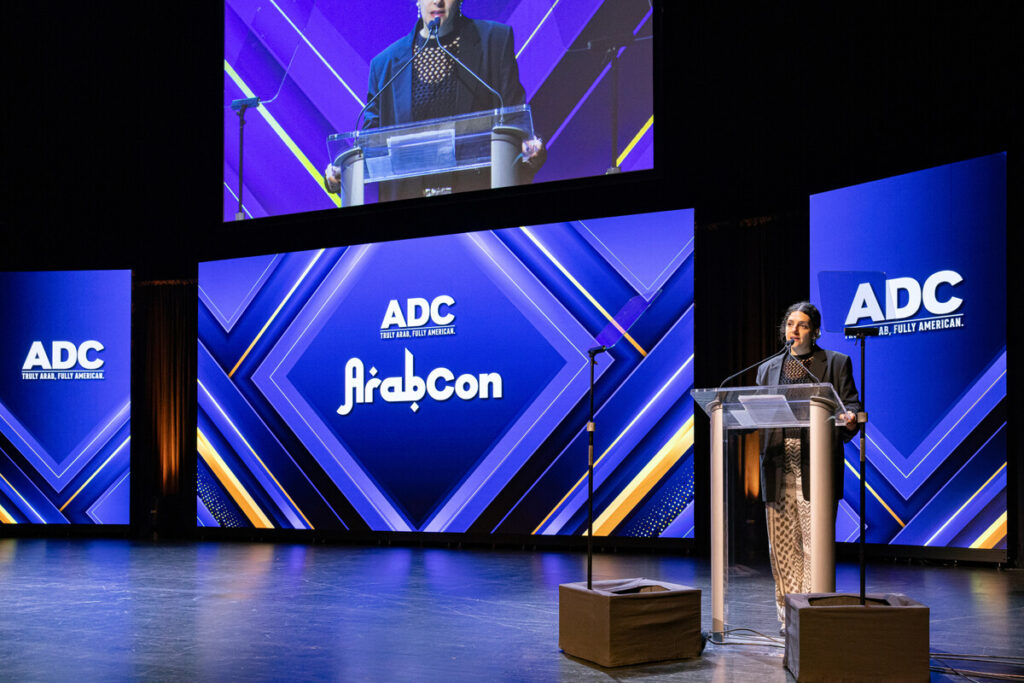
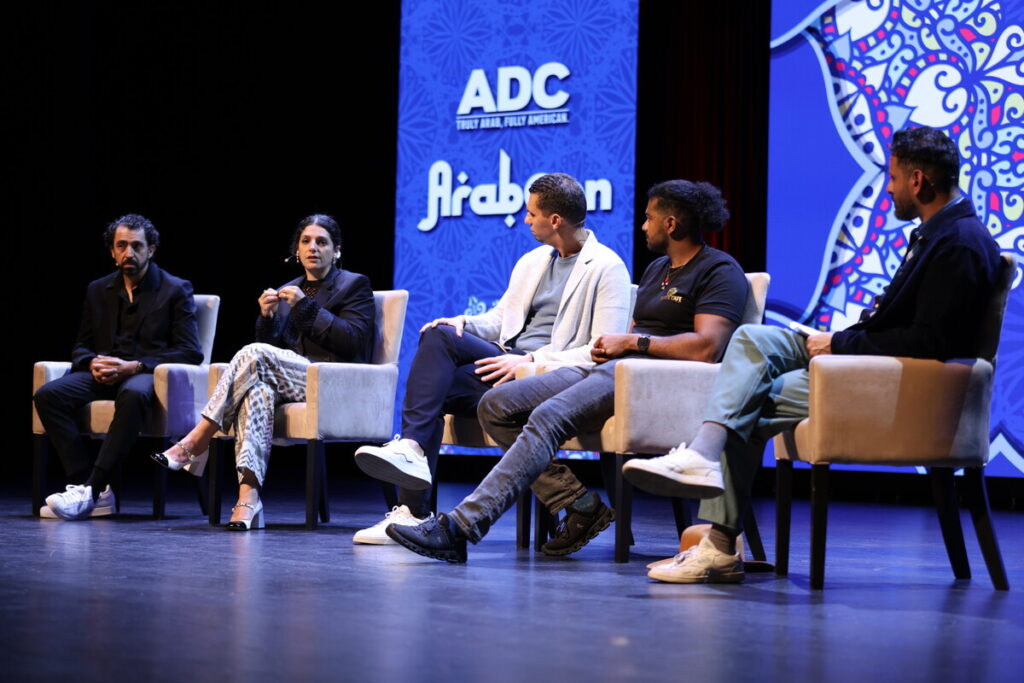
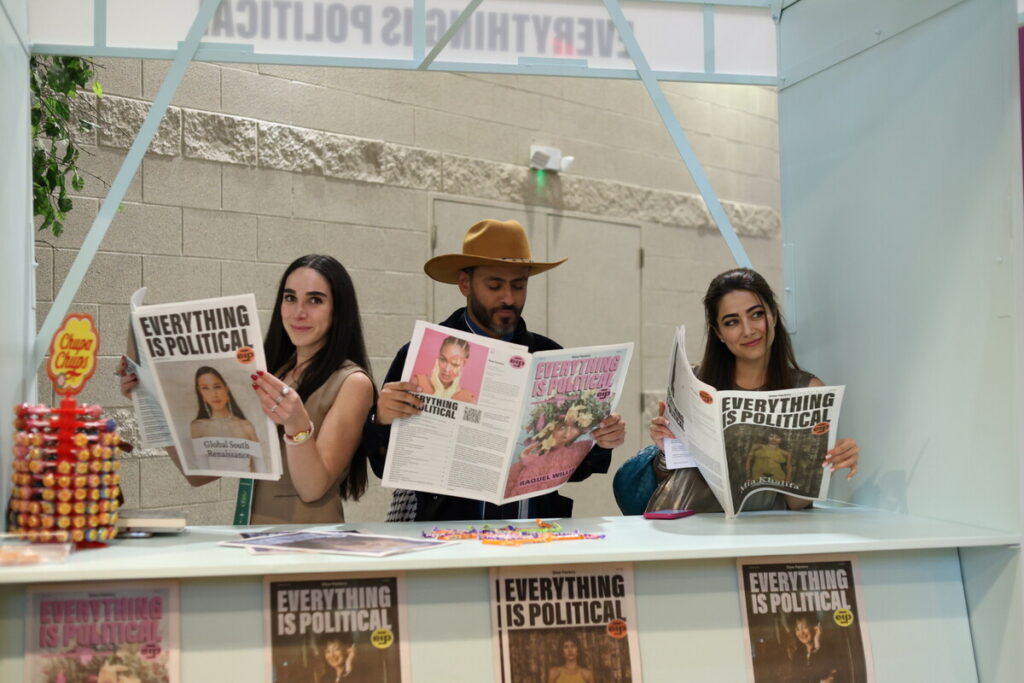
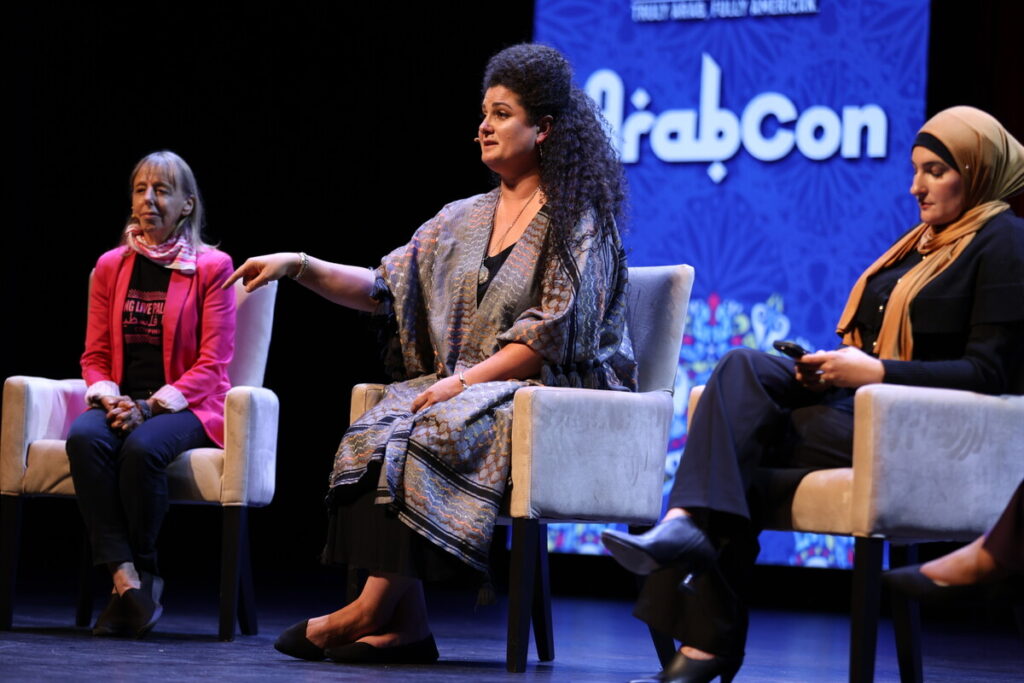
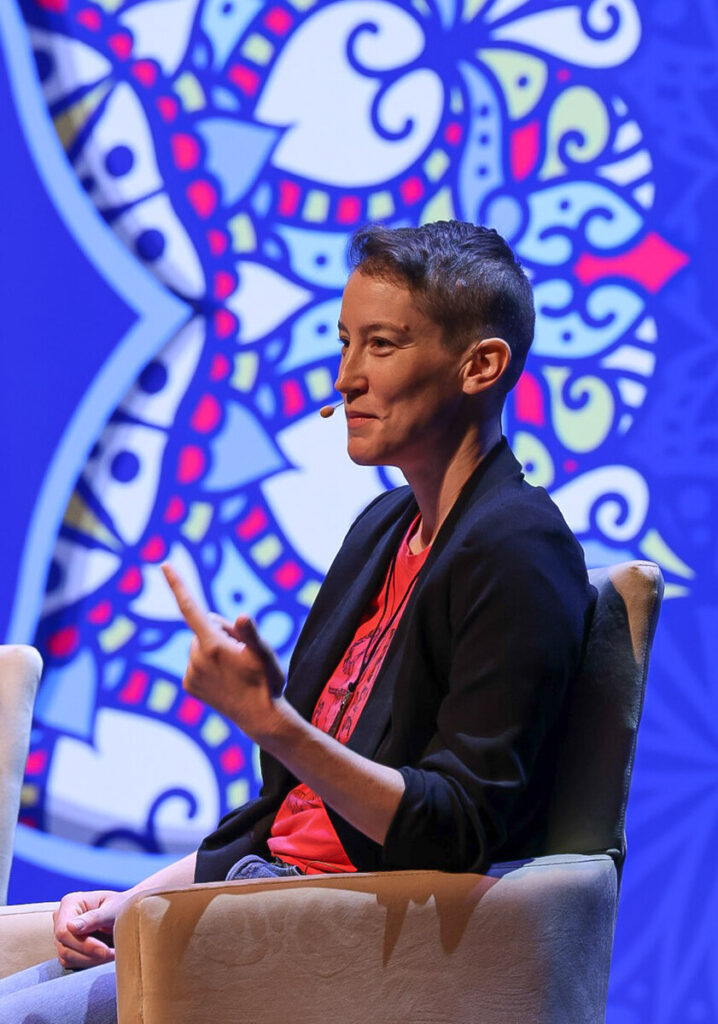
ArabCon 2025's Highlights





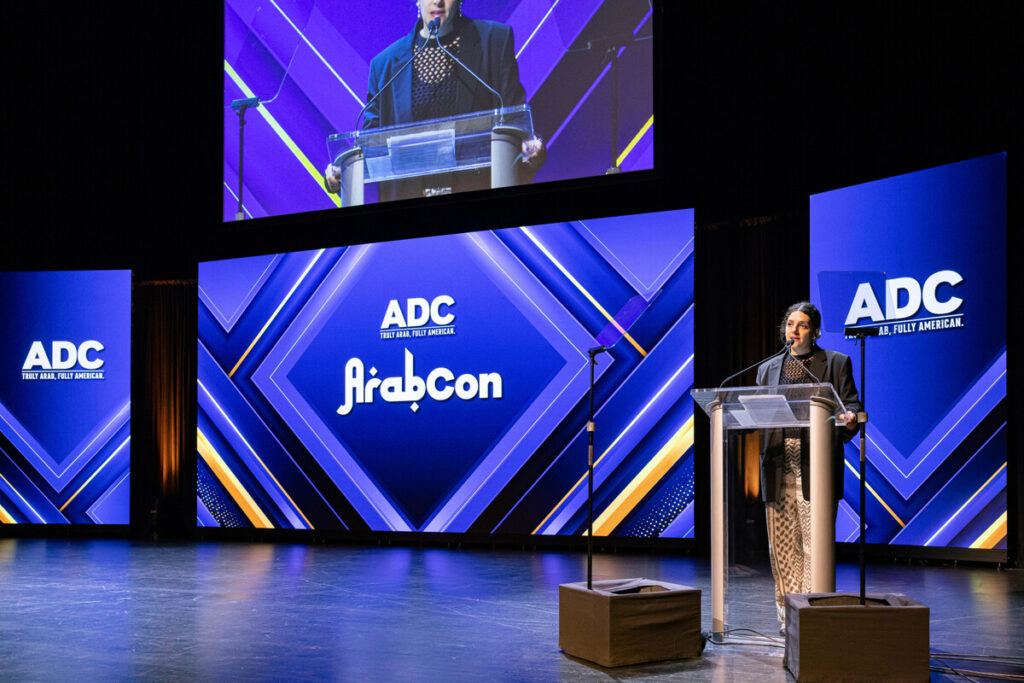
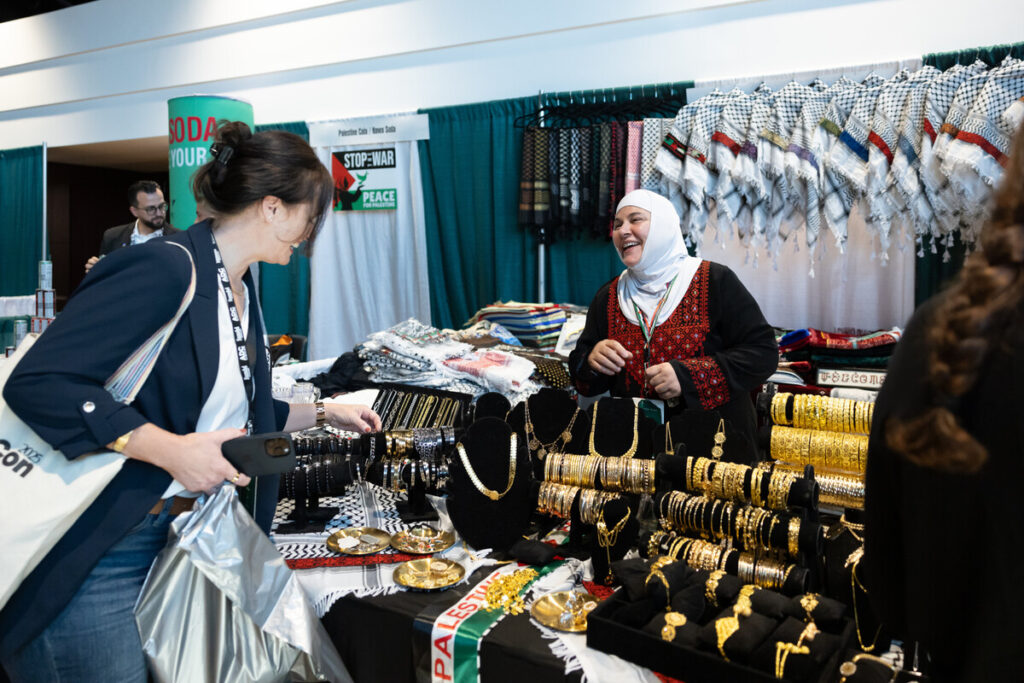
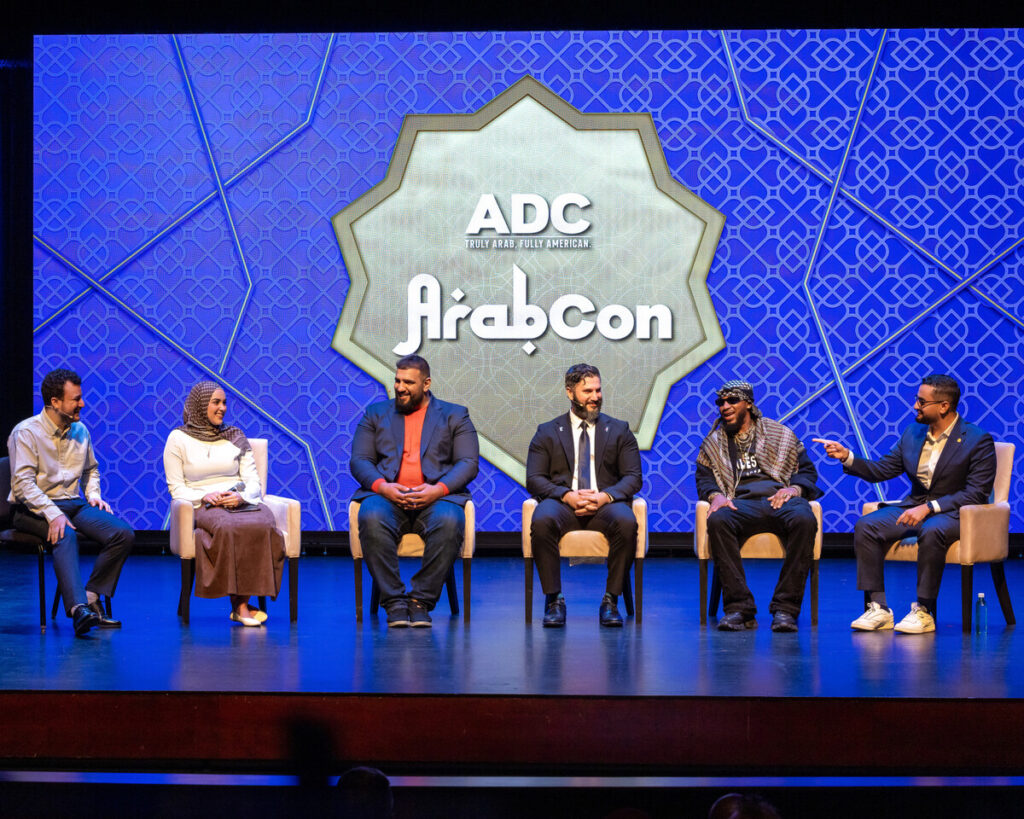

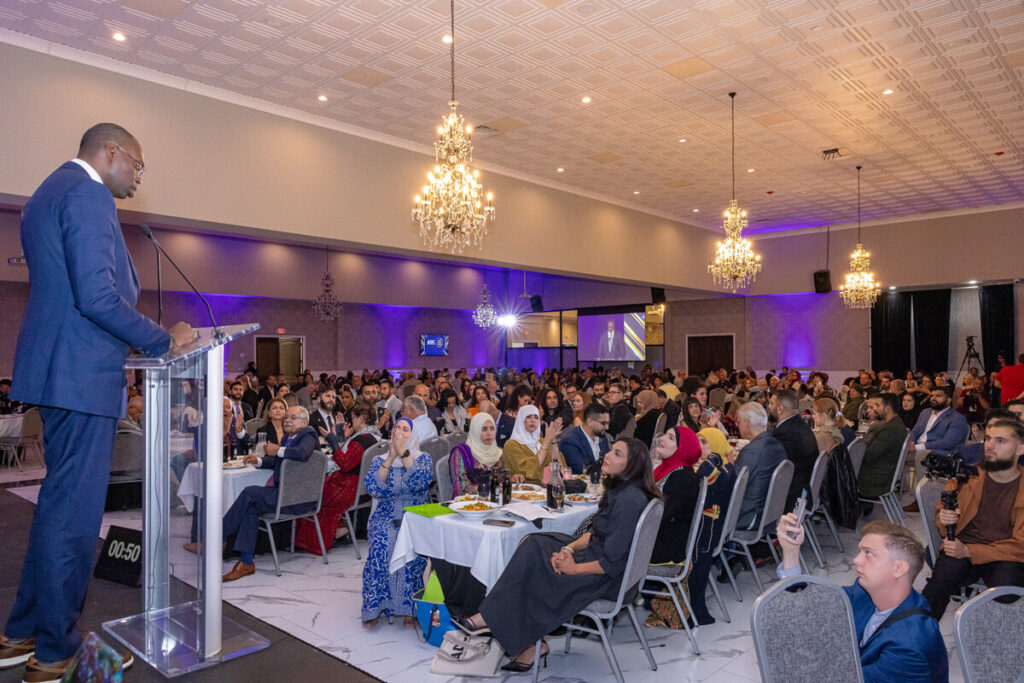
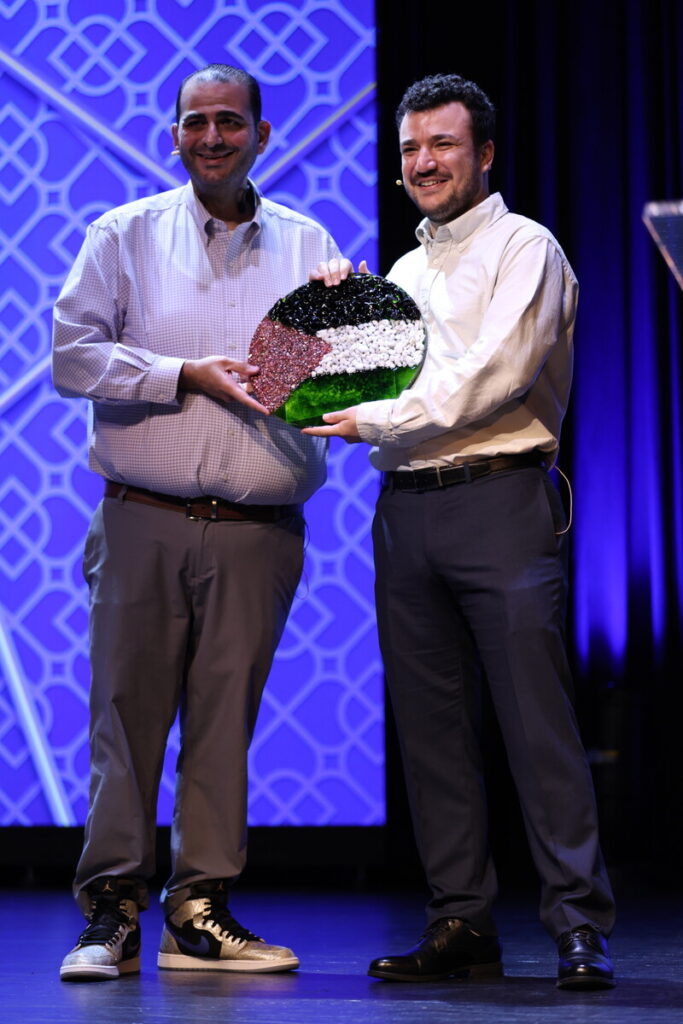
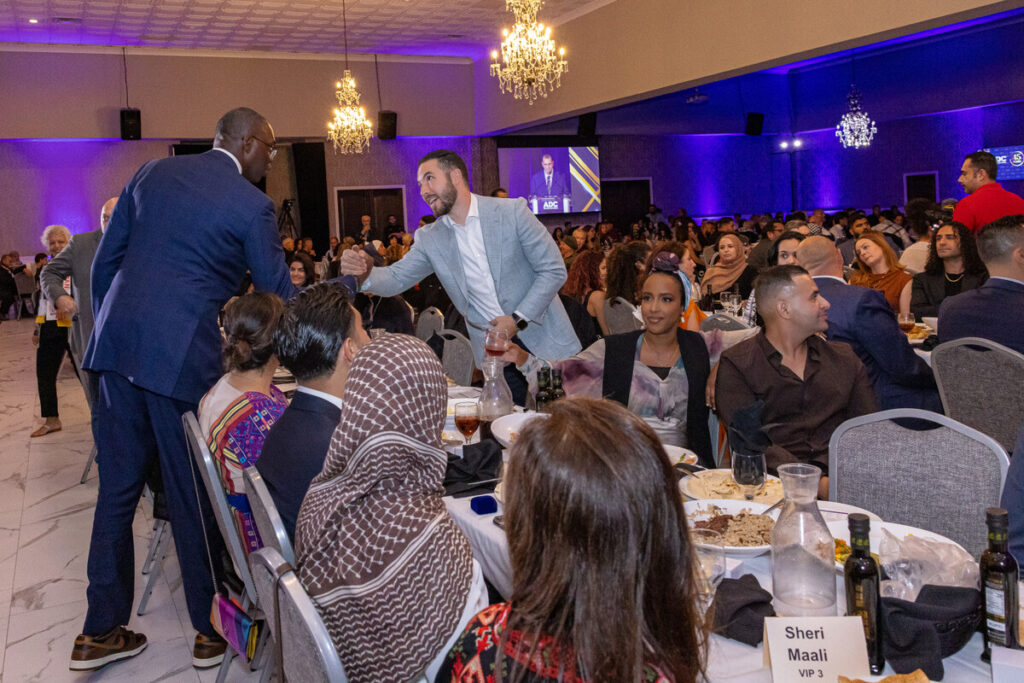
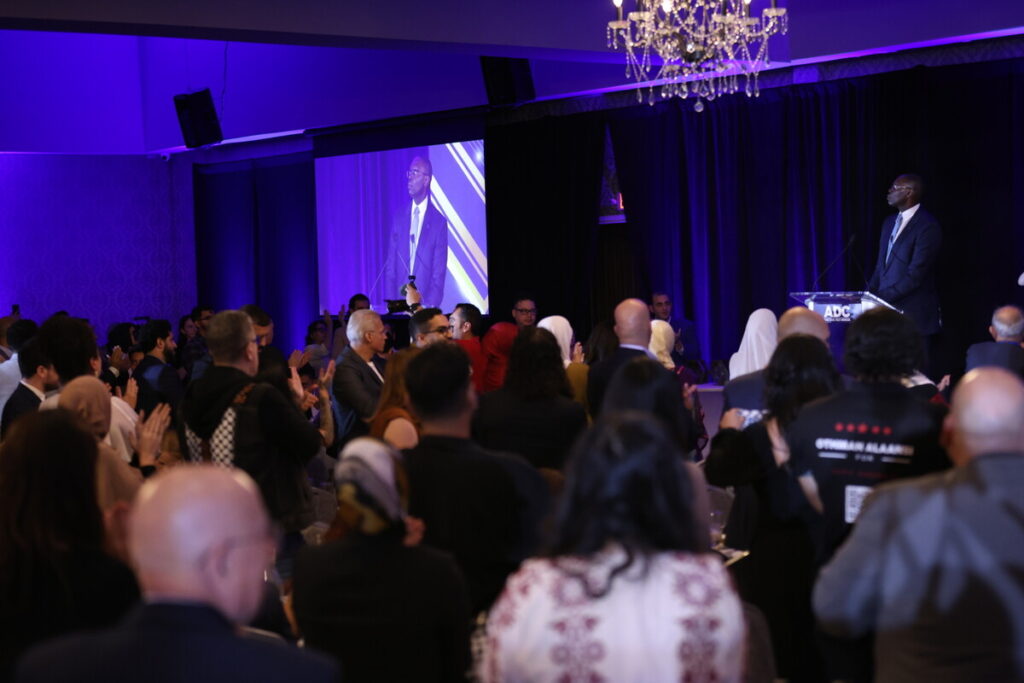

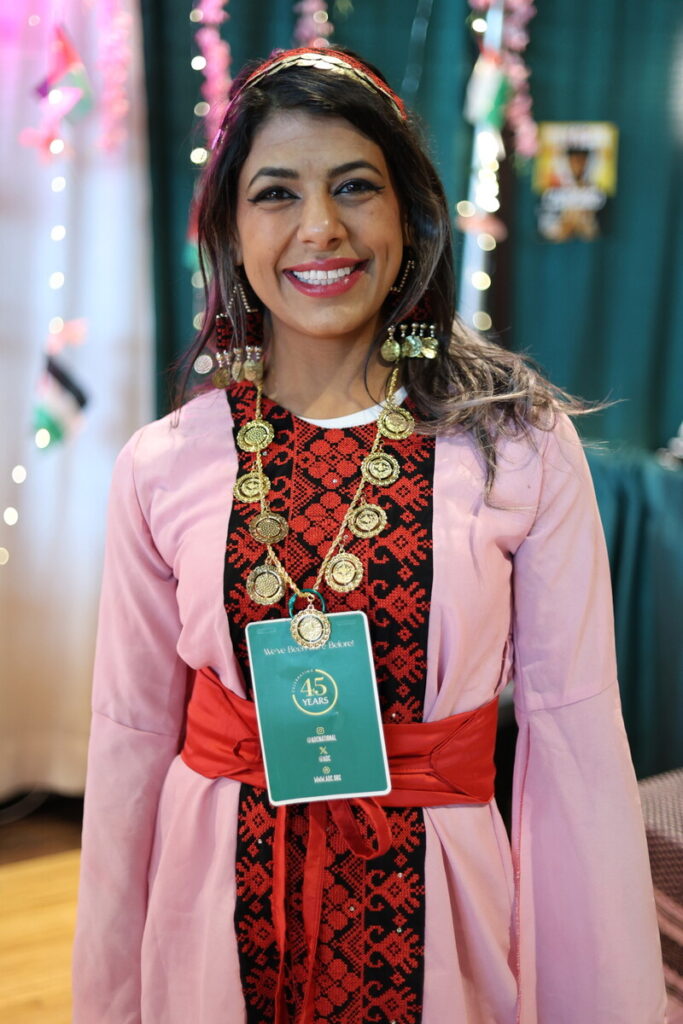
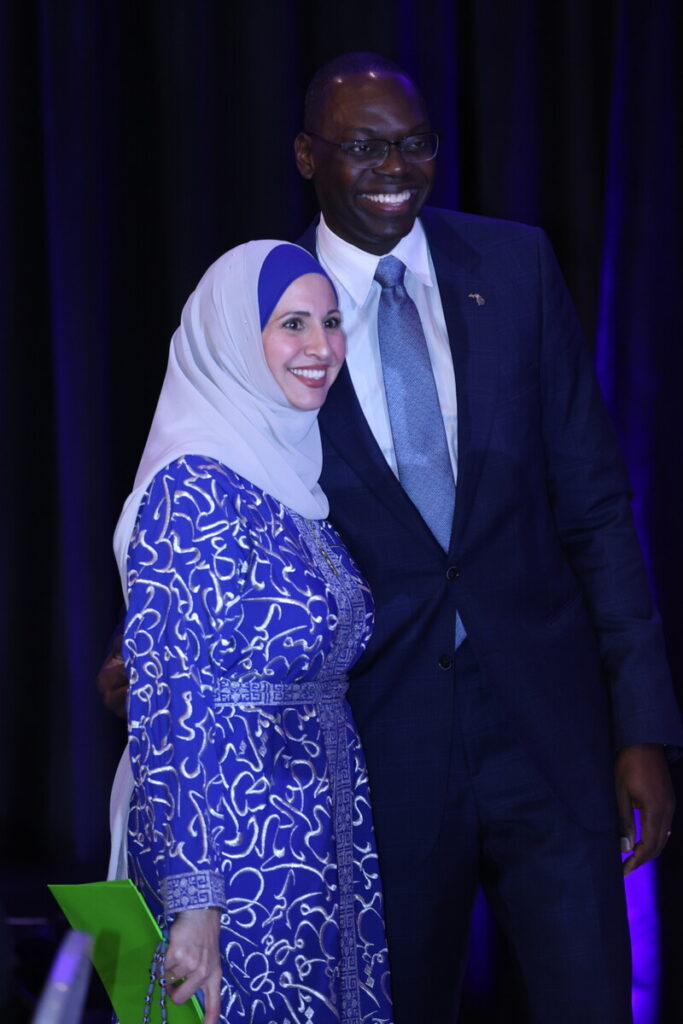
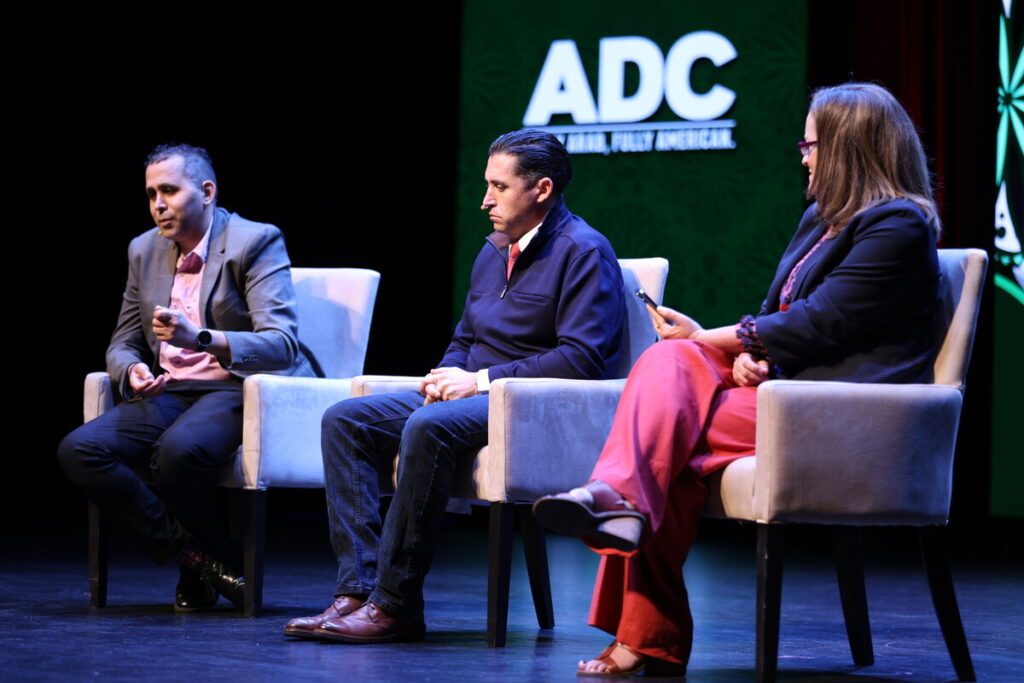
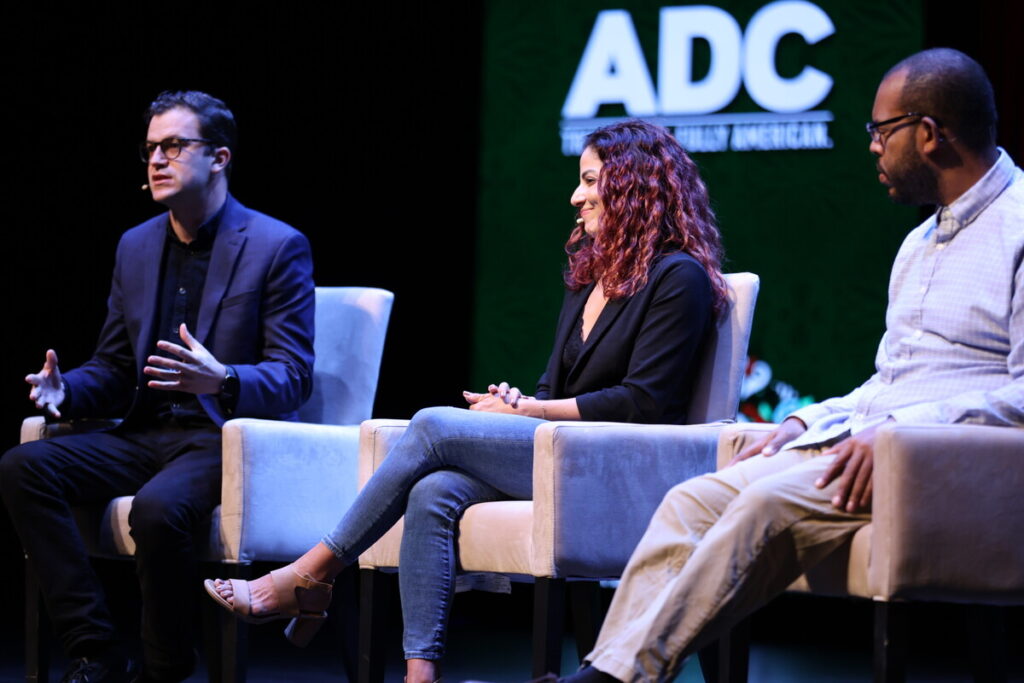
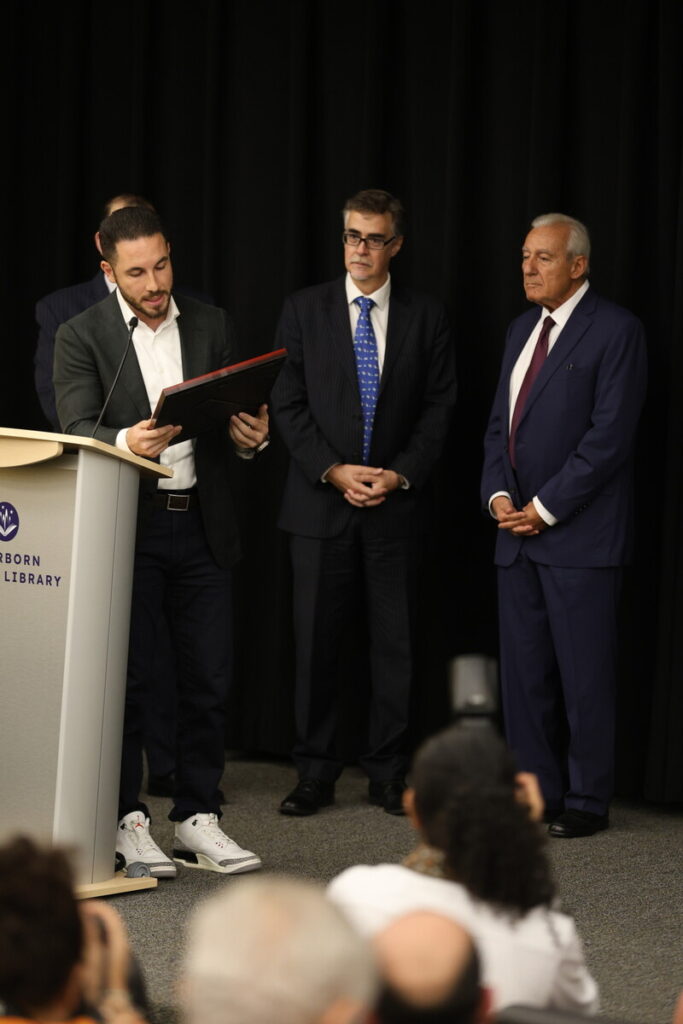




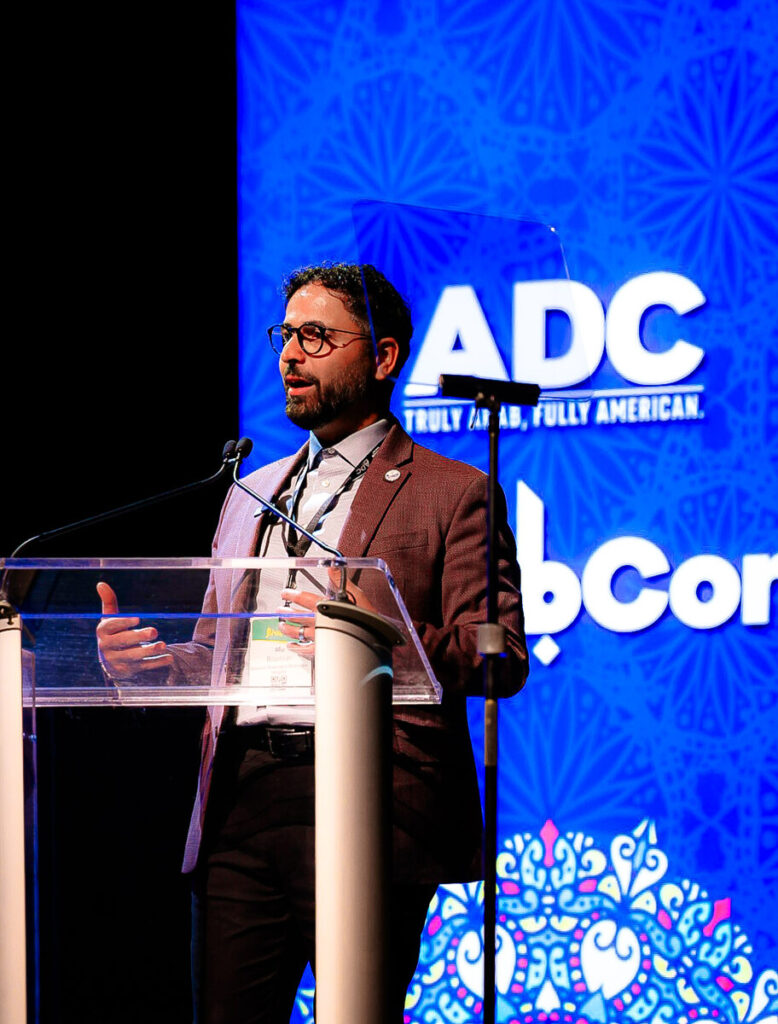
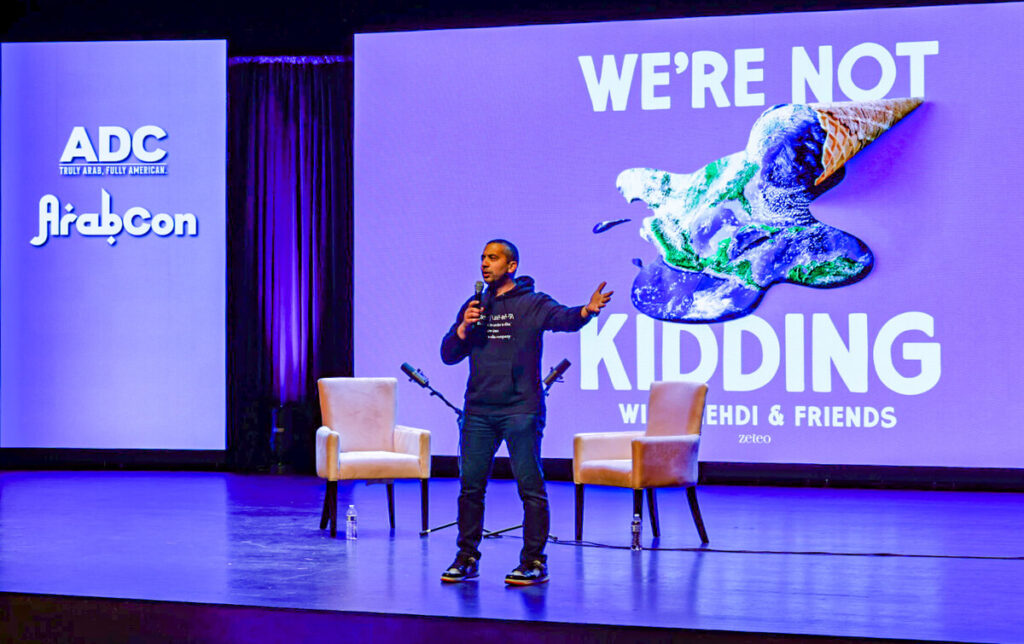
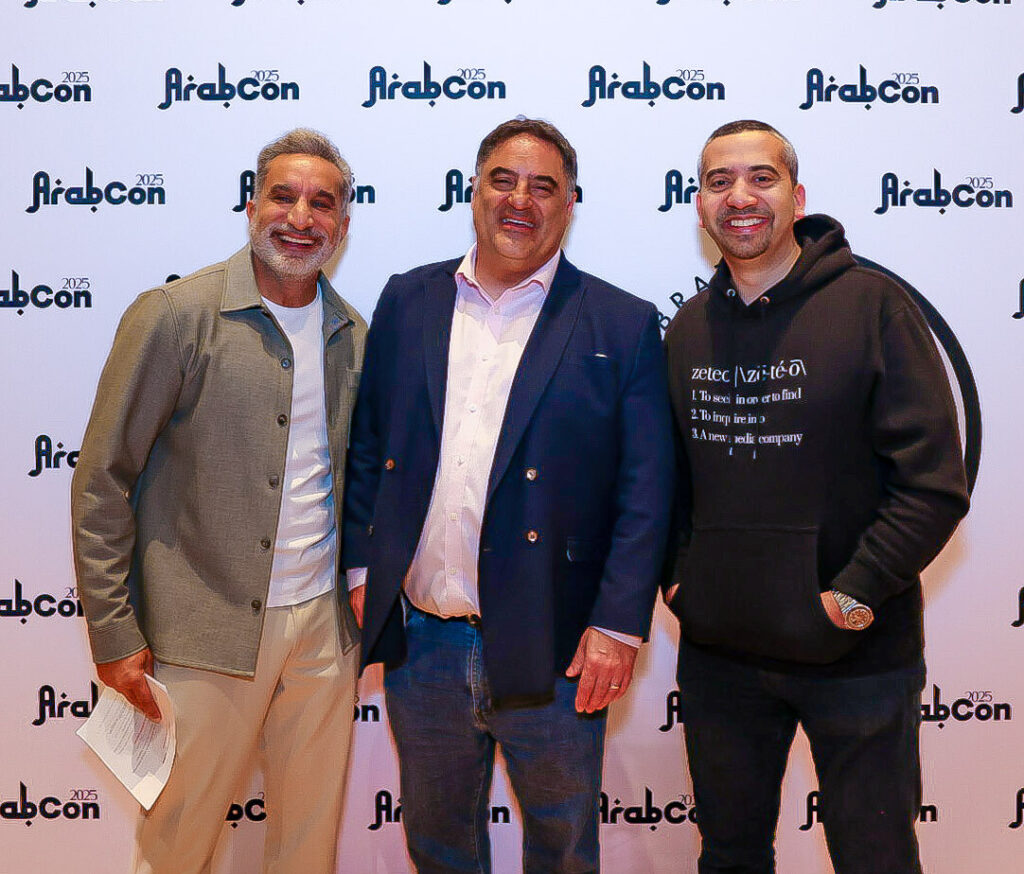
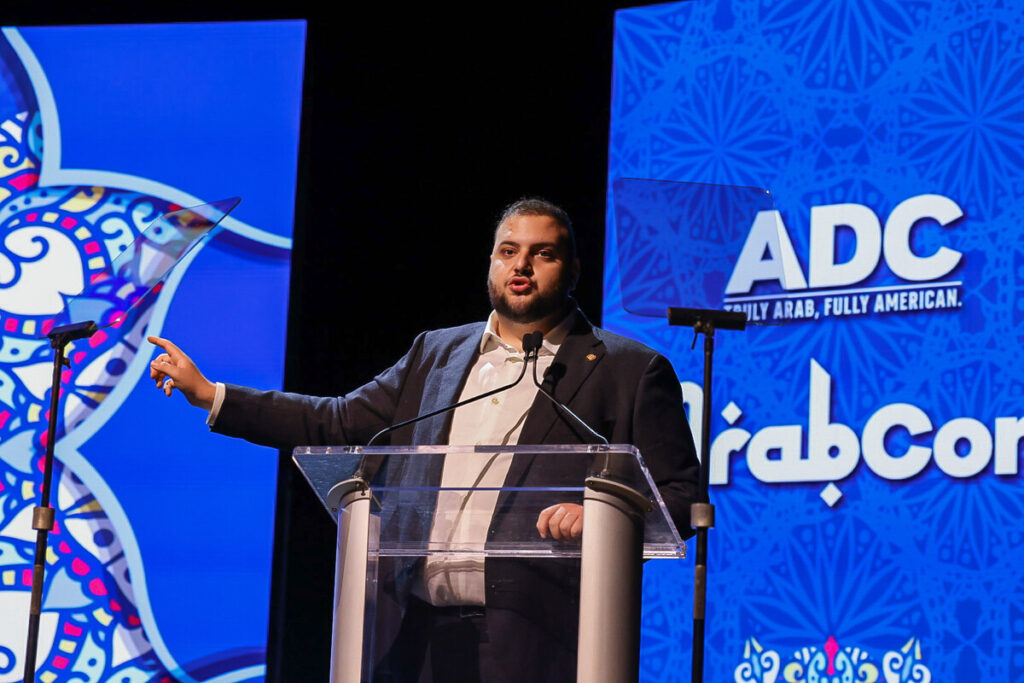
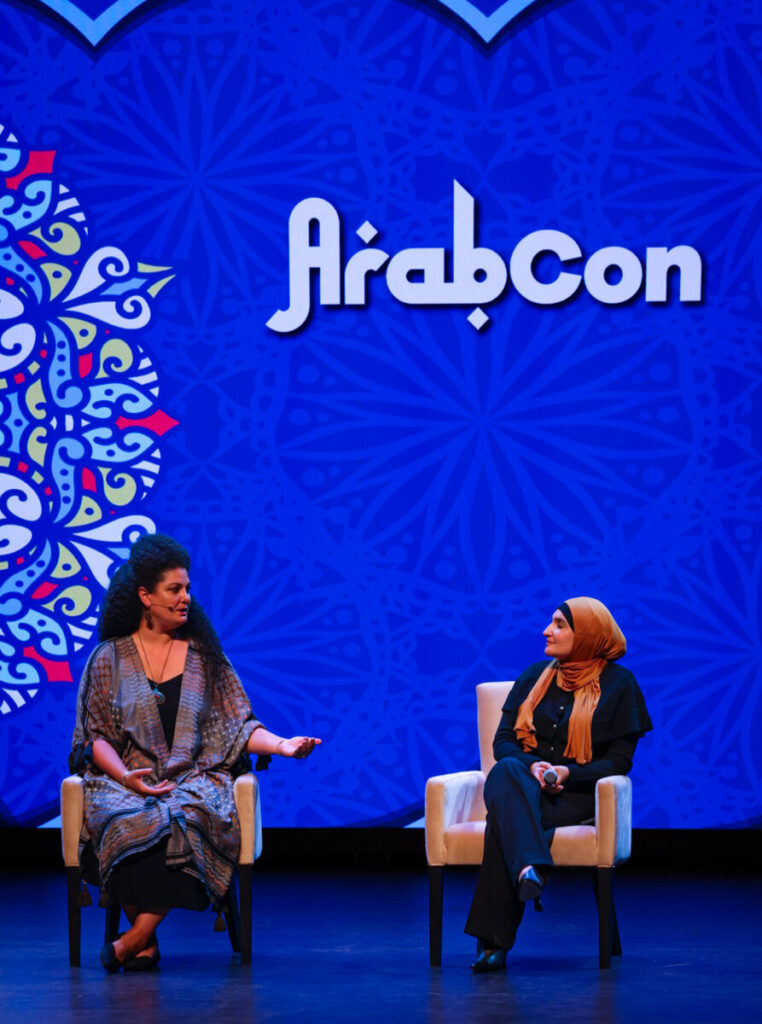
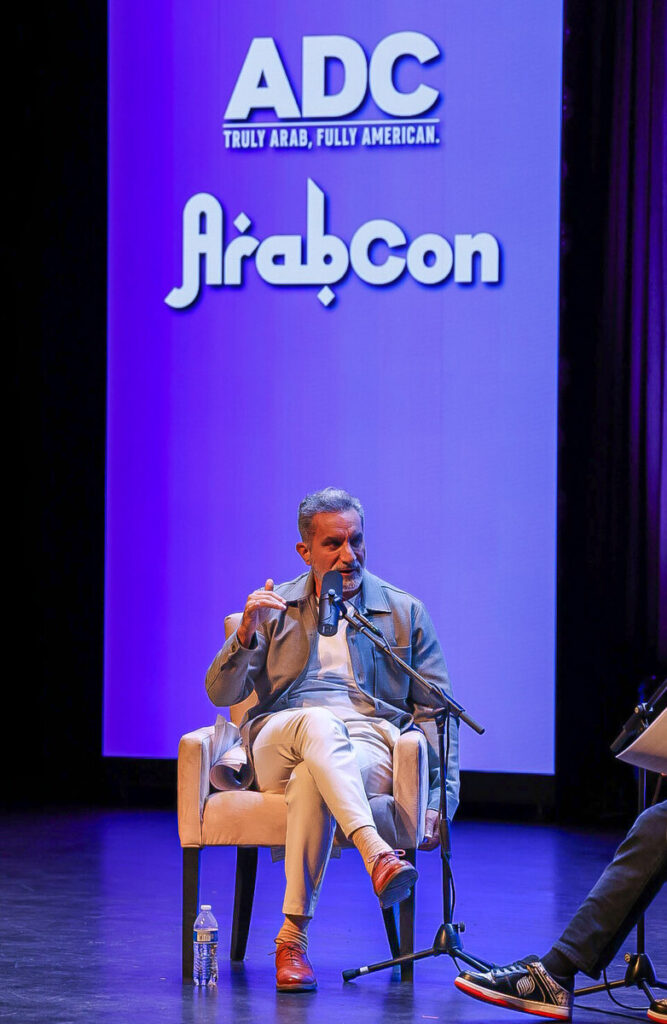

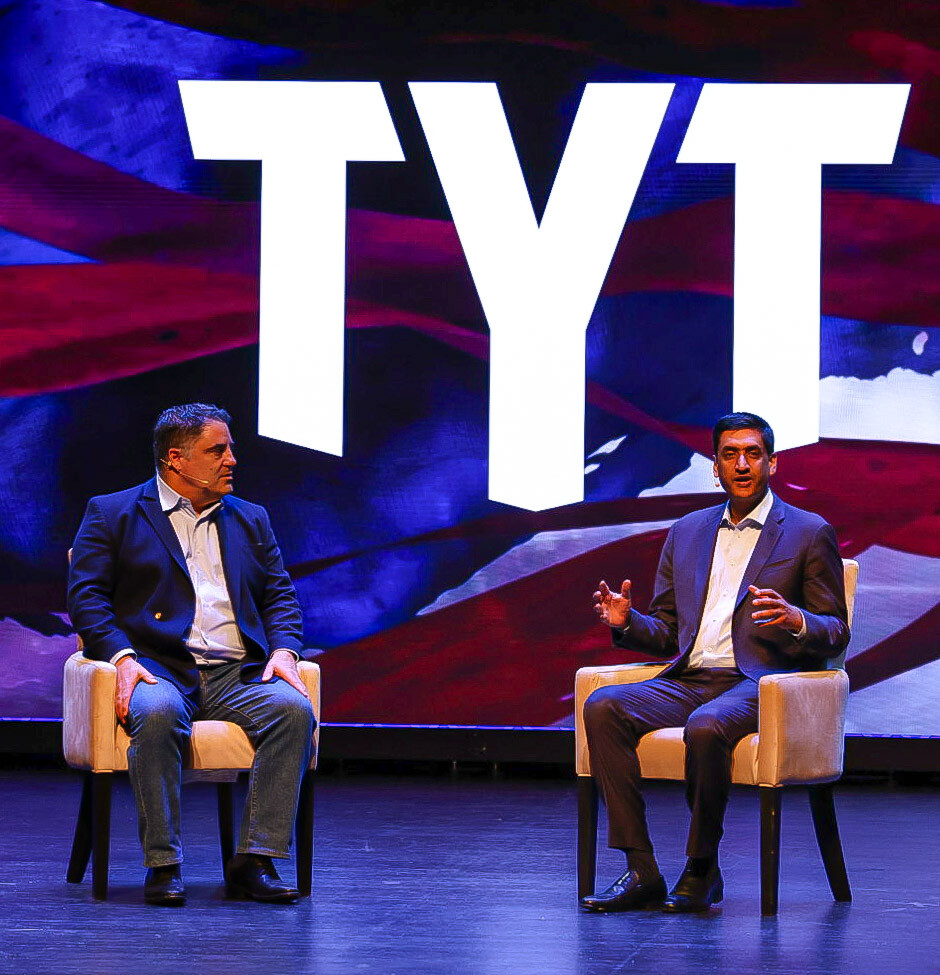
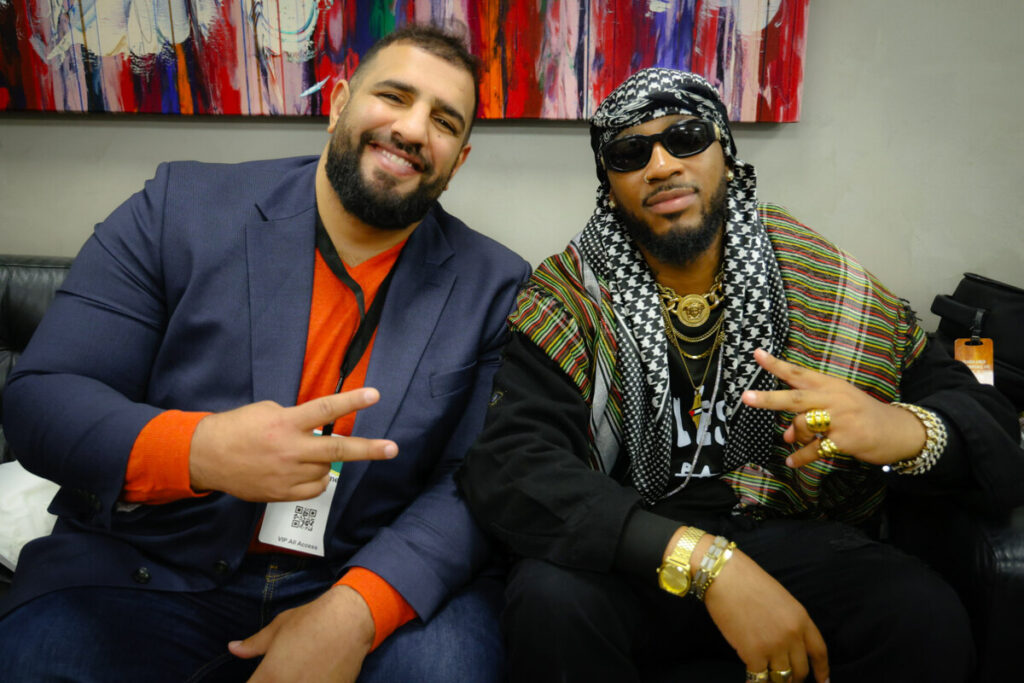
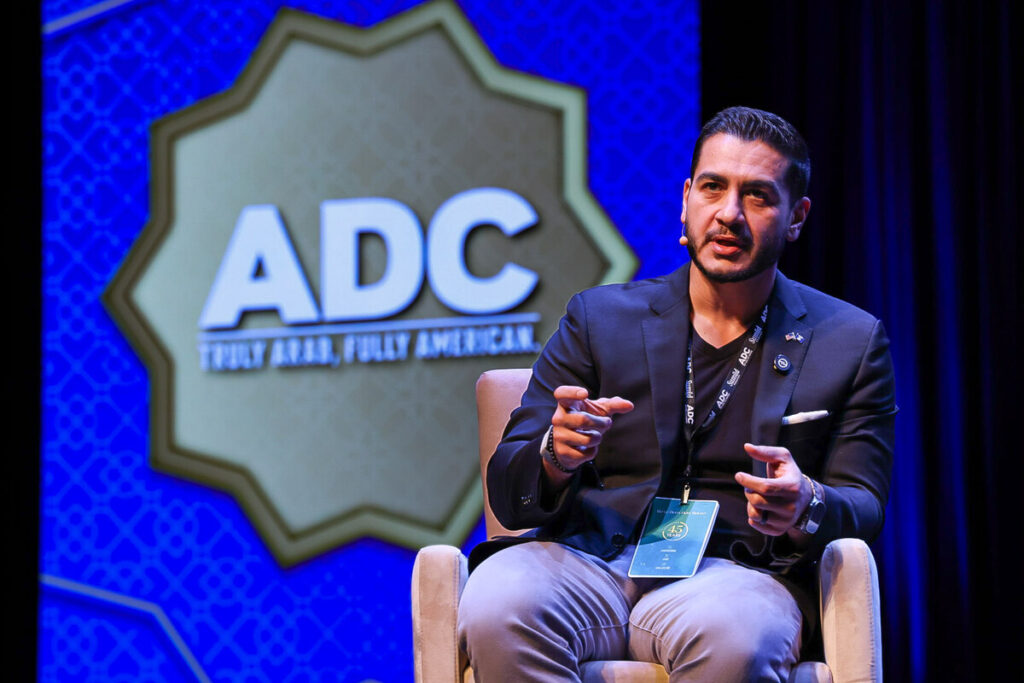
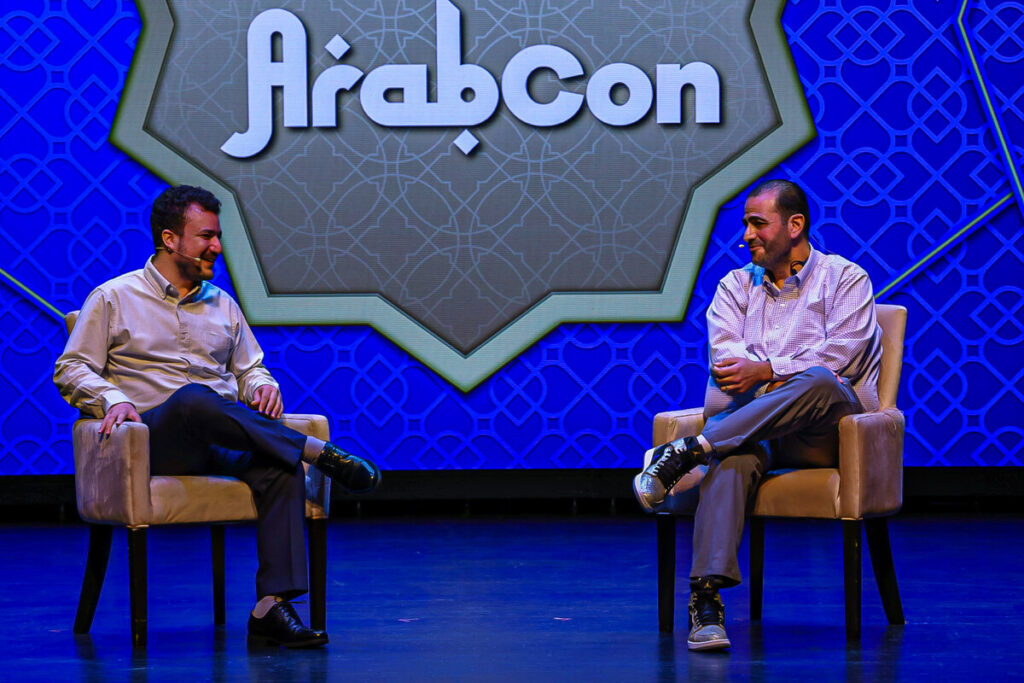
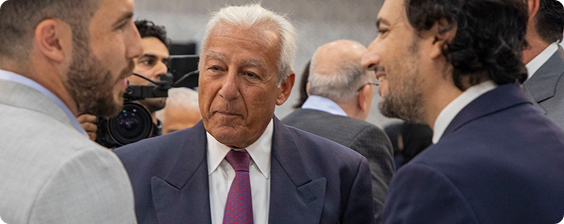
Hear From Dr. Safa Rifka
Chairman’s CORNER
Dr. Safa M. Rifka, National Chairman of ADC, is a distinguished physician, statesman, and civic leader whose decades-long career has been defined by principled leadership and commitment to build bridges between the Arab world and the United States. A respected voice across political lines, Dr. Rifka has earned a reputation for his balanced, pragmatic approach to diplomacy and public service.
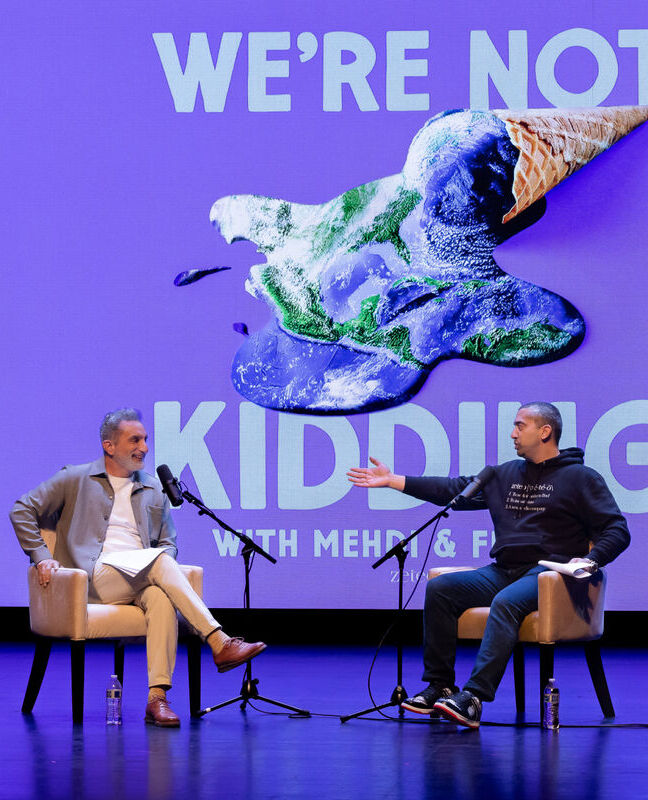
ArabCon 2026
Each year, ADC gathers community organizers, business leaders, artists, entrepreneurs, and thought leaders to address the urgent issues impacting our communities, our country, and the world.
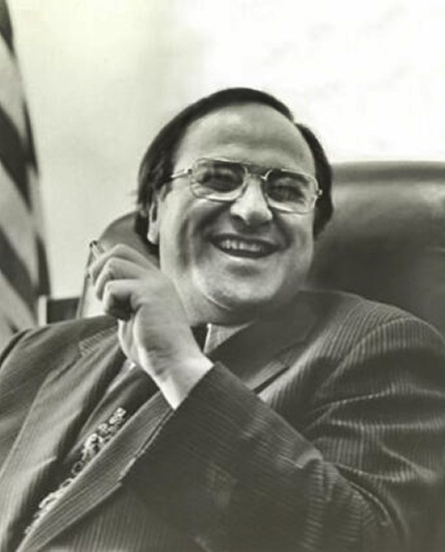
Senator James Abourezk Public Affairs Scholarship
In honor of our founder’s legacy, we’re proud to support Arab American students pursuing public affairs. This scholarship is our gift to the next generation of changemakers, like you.
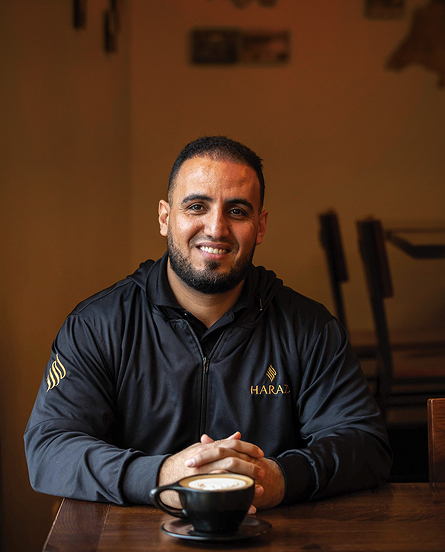
Arab American Business Advisory Council
We’re uniting Arab & MENA entrepreneurs to grow together. Through our Advisory Council, you’ll gain leadership, and investment opportunities, right in your community.
Get Involved
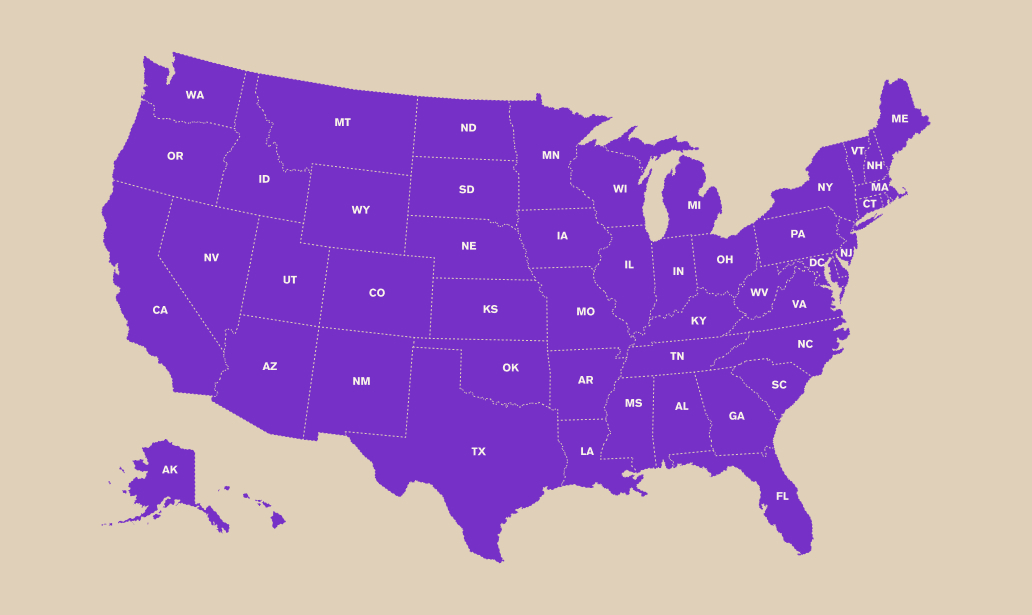
Track Legislation By State
Your support means everything. Your gift protects rights, builds community, and fights hate. Let’s move forward together.